
Despite pervasive censorship, there is a continued effort to remember.
Tag: China
Xi Jinping’s Grip on Power is Absolute, But There are New Threats to His ‘Chinese Dream’
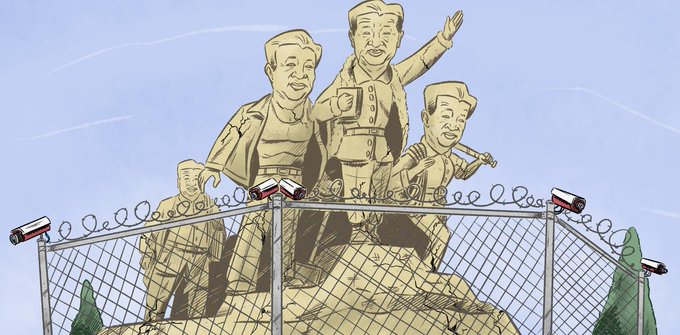
His reforms and crackdowns have created many enemies and much disgruntlement, especially among elites.
China’s Censored Histories: The Evolving Blacklist on Tiananmen Massacre
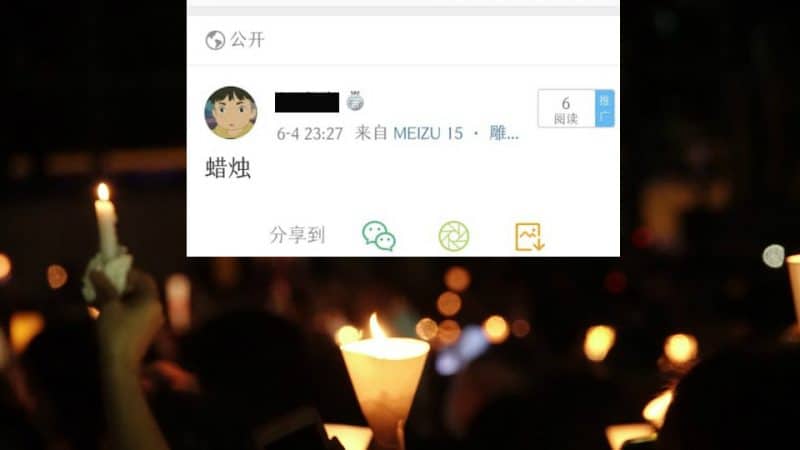
Censorship of references to the massacre by platforms is pervasive.
How a Cyber Attack Hampered Hong Kong Protesters
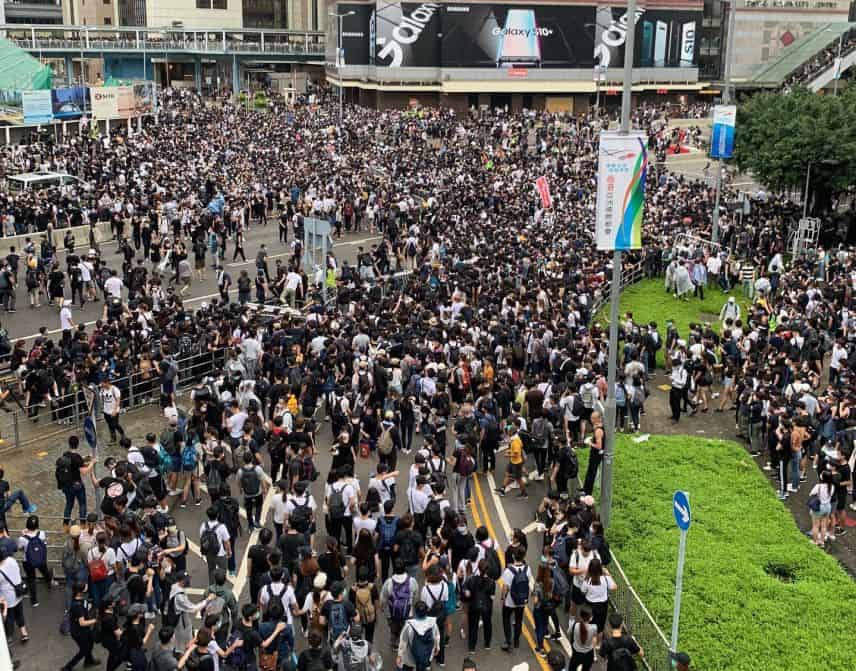
Social media hacking tools, which are sold to repressive governments to spy on their own citizens, erode the right to free speech and to organise political activity.
Record Crowd Commemorates Tiananmen Massacre at Hong Kong Candlelight Vigil
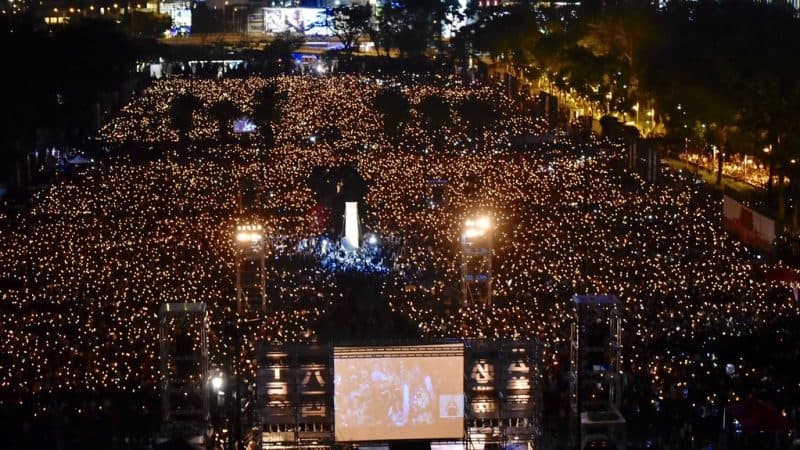
This collective act of remembrance has turned into a ritual for the past 30 years, as many Hong Kongers keep honoring the spirit of China’s democratization.
Chinese Students and Workers are Uniting Again, 30 Years After Tiananmen Square Crackdown

Chinese workers are in a worse situation than they were in 1989.
30 Years After The Tiananmen Massacre: The Troubled History of The Goddess of Democracy

When the People’s Liberation Army cleared the protest on June 4, the statue was quickly felled and crushed by tanks. But replicas soon appeared in Hong Kong and other places.
Masood Azhar Designated As Global Terrorist, Hafiz Saeed Was Similarly Designated 14 Days after 26/11

Noteworthy: JeM was already designated terror outfit and Saeed continues to roam freely inside Pakistan.
Did European Colonisation Precipitate the Little Ice Age?
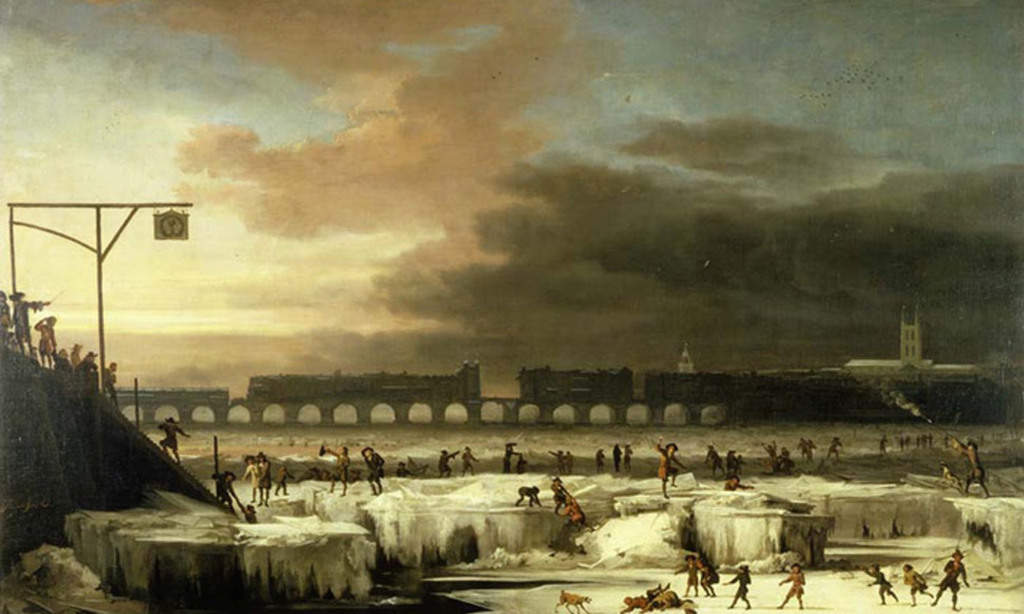
We face an uncertain future but, like early moderns, there is much we can do to either ease human suffering in the face of environmental upheaval – or make it a great deal worse.
The Internet is Now an Arena For Conflict, and We’re All Caught Up In It

Nation-states are covertly working against each other on the very same digital platforms they use to collaborate in areas such as trade and manufacturing.
Swing With Xi In Guj, Hug Xi In Delhi, Bow to Xi in China: Rahul Gandhi
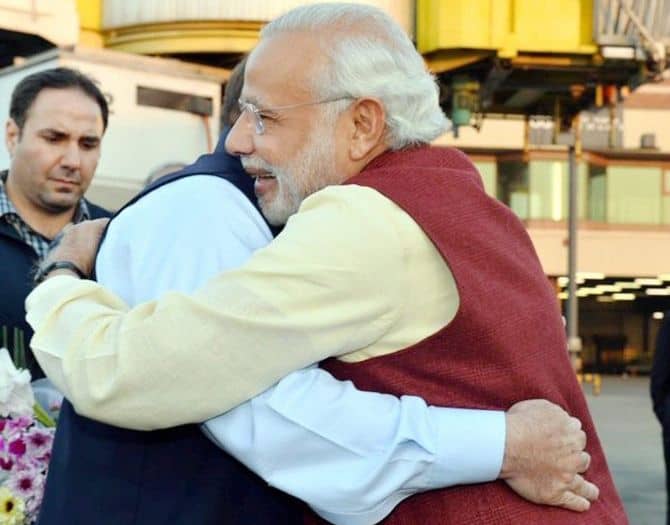
Gandhi said that PM Narendra Modi was weak and scared of Chinese President Xi Jinping.