A shrinking correlation between financial markets in India and others in the rest of the world is a cause of worry as it has reached a 10-year-low. The weighted average correlation of the rupee, India’s bonds and stocks with those in other global economies fell to 0.32 last month. Notably, the reading was as high as 0.68 in 2010, says a data compiled by Bloomberg.
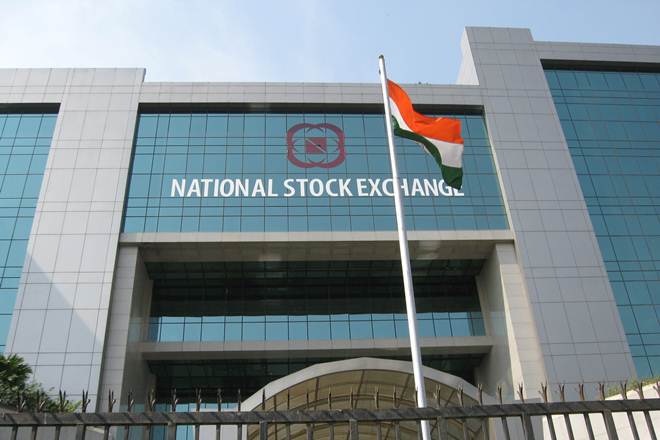
While Indian stocks are closely correlated with their global peers as compared to the nation’s bonds or the rupee, the link has declined from where it was in 2010. There are fears that it may drop further after three national exchanges earlier this year decided to cut ties with their foreign counterparts to maximise trading at home.
According to Manraj Sekhon, chief investment officer at Franklin Templeton Emerging Markets Equity in Singapore, “India has seen less correlation to major global markets for a range of reasons such as the domestic nature of its economy, less sensitivity to the global cycle and more recently, increased flows from local investors.”
The disconnect can be seen very much in the bond market. India’s 10-year yields show no correlation with a portfolio consisting of global sovereign debt.
When Donald Trump won, the Bloomberg Barclays Global Treasury Index was pushed by 23 basis points in November 2016 whereas India’s 10-year yield fell 55 basis points.
“The idiosyncratic bond-market characteristics are driven largely by domestic investors where only local growth and inflation dynamics, policy-rate expectation and supply-demand dynamics matter,” said Lin Jing Leong, an investment manager at Aberdeen Standard Investments in Singapore.
The calculation of correlation between Indian and global markets has been based on monthly changes using a rolling 60-month basis. Variables include the dollar-rupee exchange rate compared with the dollar’s nominal effective exchange rate; the yield on India’s 10-year bonds versus the Bloomberg Barclays Global Treasury Index; and the MSCI India Index of shares versus the MSCI ACWI Index.