Nearly a year and a half after it erupted in the United States, the #MeToo movement shows no signs of fading worldwide. Since March 23 and 24, a surge of sexual assault allegations in the universe of the film, the arts, academia, and the media is overflowing Mexican Twitter, with more and more women joining in and recounting their experiences.
The surge was kicked off by a tweet by Ana G González in which she accused a well-known journalist of physically assaulting “a long list of women,” one of them being part of her close circle of friends.
Her tweet gave birth to the hashtag #MeTooEscritoresMexicanos (#MeTooMexicanWriters), and soon similar hashtags followed suit: #MeTooMexicanFilm, #MeTooMexicanMusicians, #MeTooMexicanAcademics, #MeTooMexicanJournalists, #MeTooMexicanTheatre, #MeTooMexicanArtists, #MeTooMexicanActivists, and others. Not long after, anonymous accounts such as @MeTooFilmMx or @MeTooTheatreMx were created encouraging women to send testimonies via DM.
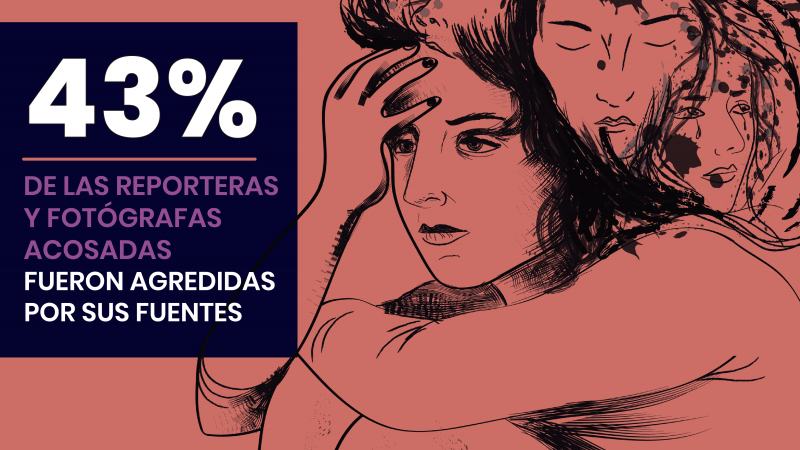
The female journalist collective PUM — Periodistas Unidas Mexicanas, or Mexican Female Journalists United, in English — launched the hashtag #MeTooMexicanJournalists at an event on March 23, where they’ve presented results of a survey showing that 43 per cent of the female journalists interviewed have been harassed at least once by their sources.
Millions of users have interacted with the hashtags, which since then have produced some concrete effects. The operations director of Reforma, a national newspaper, has been fired. Two journalists from online media Chilango have been fired, while a third is under internal investigation, according to a statement.
The Wikipolítca network, a group of organizations seeking to connect independent political representatives with civil society, expelled three of their members after they were accused of sexual assault.
Brave — and fed-up

The #MeToo movement began with US activist Tarana Burke in 2007, but it only spread worldwide in 2017 after Hollywood producer Harvey Weinstein was accused of sexual assault by several prominent actresses on US media.
Other online campaigns in Mexico, and more broadly in Latin America, have helped raise awareness against sexual violence against women. Some examples include #MiPrimerAcoso (#MyFirstAssault), #SiMeMatan (#IfTheyKillMe), and #AquíTambiénPasa (#ItAlsoHappensHere).
The hashtags draw attention to multiple types of violence experienced by women. According to UN Women, at least six in ten Mexican women have experienced an episode of violence at least once in their lives, while 41.3 per cent were victims of sexual violence, and an average of nine women a day was killed in Mexico in 2018.
A tweet by @MeTooAcadémicosMx says women ‘have had enough’:
Como alumnas, colegas, y parejas de académicos, nos unimos al ejercicio de denuncia iniciado por @MeTooEscritores, seguido por @MeTooCineMx, y alimentado por mujeres valientes y hartas. #MeTooAcadémicosMexicanos #NoEstásSola
— MeTooAcadémicosMx (@MeTooAcademicos) March 24, 2019
As students, colleagues, and partners of academics, we join the condemnation movement started by @MeTooWriters, followed by @MeTooFilmMx, and supported by brave and fed-up women. #MeTooMexicanAcademics #YouAreNotAlone
On Medium, Astrid López Méndez has written a long post in which she details the harassment she was subjected to by a famous Mexican writer. She shows empathy with women who’ve been through similar experiences:
The problem of anonymity
One recurrent discussion around #MeToo since it emerged in 2017 is how to balance the importance of protecting the identity of victims with the ethical implications of anonymous accusations.
Ana G. González has shared some thoughts on this on a Twitter thread. She says we should be careful not to treat all violence as if they were the same, as allegations made through the hashtags have included not only sexual assault but also other kinds of harassments of a more furtive — though also pervasive — nature:
Ana G. González@anag_g
Esto empezó nombrando a un agresor de violencia física. Ahora están saliendo todo tipo de violencias: económica, emocional, sexual, etc. Creo que tenemos que reflexionar dos cosas: 1) cuándo usamos el escrache y cuándo la denuncia pública. 2) cuidado con homogeneizar violencias.

Ana G. GonzálezHomogeneizar violencias es aminorar las violencias más graves. Hay que tener la capacidad de reflexionar y de diferenciar entre tipos de violencia para hacer análisis complejos y poder hacer reparaciones.
Homogenizing violence is to minimize acts of violence that are more severe. It is important to have the capacity to reflect and differentiate among types of violence in order to do a thorough analysis and be able to make amends.
Men have also taken to social media to share their thoughts. On a Medium post, writer Raúl Aníbal Sánchez Vargas admits he is guilty of the same abuses being told on social media.
In a country where over 90 per cent of all crimes are never reported to the authorities, the #MeToo campaigns could turn out to be a chance for society to recognize the lack of access to justice for women in Mexico.
Translated by Alexis Faber
This article is originally published at Global Voices and has been republished under the Creative Commons licence.